The Bhabis of Bangladesh — How Home Cooks Are Building Businesses on Meal
May 09, 2026
|
bhabis
meal
women
income
home-cooking
empowerment
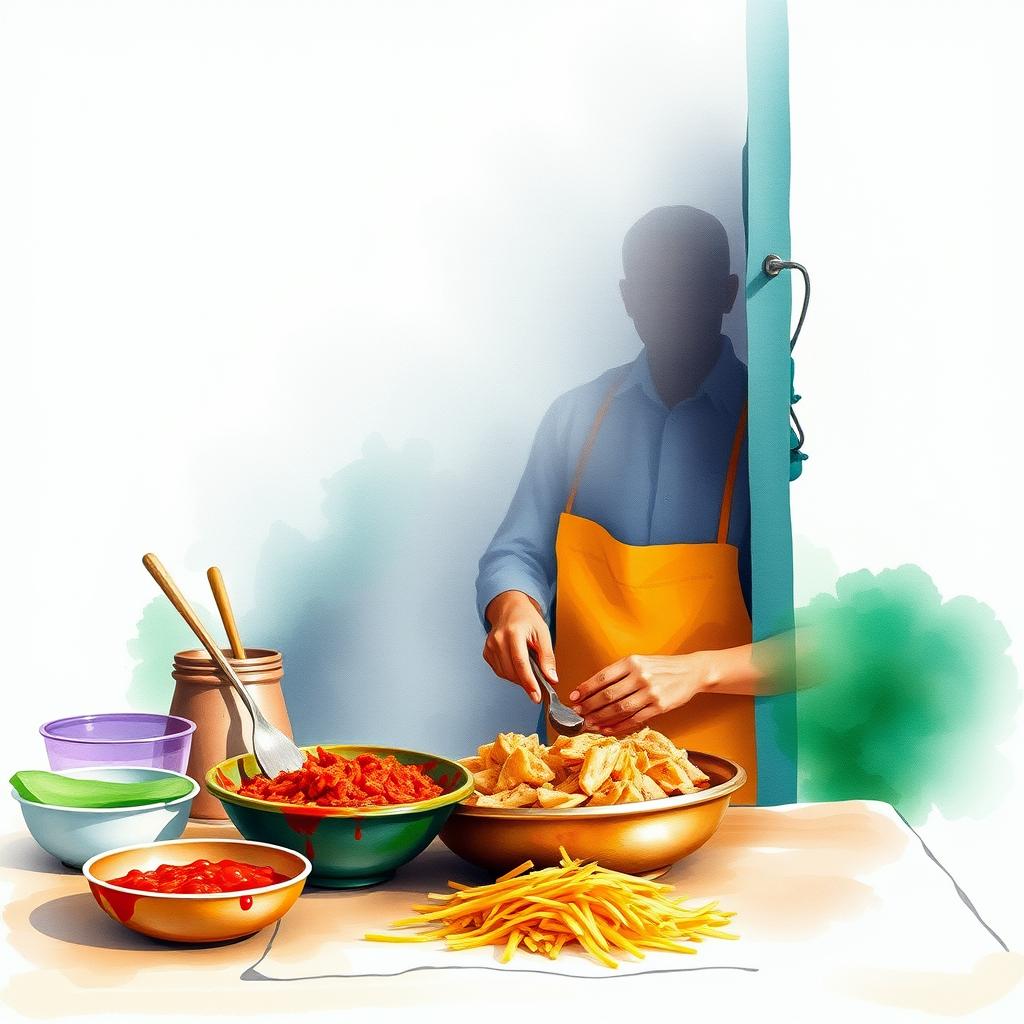
The word "bhabi" in Bangladeshi culture means sister-in-law, but colloquially it is how you address any slightly older woman in your neighborhood with warmth and familiarity. On Meal, "bhabi" is the official term for home cooks who sell through the platform. It is deliberate — we chose it because it captures the relationship we want between cook and customer: personal, trusted, neighborhood-level.
This article is about who these bhabis are, what they earn, what challenges they face, and why this model matters for Bangladesh.
**Who are the bhabis?**
The typical Meal bhabi is a married woman between 28 and 45 years old, living in an urban or semi-urban area. She did not go to culinary school. She learned to cook from her mother, her mother-in-law, or through years of feeding her own family. Her kitchen is a standard Bangladeshi home kitchen — gas stove, basic utensils, a refrigerator, and limited counter space.
Most bhabis joined Meal not because they planned to start a food business, but because the opportunity appeared at the right time. A neighbor mentioned it. A relative signed up first. The NID verification process was simple enough that it did not feel intimidating.
What they share in common is confidence in their cooking and a need for income that does not require leaving home. Many have young children. Some have husbands who work abroad. Others supplement a single household income that does not stretch far enough in urban Bangladesh.
**What they earn**
The range is wide because commitment levels vary:
Casual bhabis who cook 5-8 plates on 3-4 days per week typically earn 4,000-8,000 taka monthly. This is side income — they cook a bit extra alongside their family meals and sell the surplus.
Regular bhabis who cook 12-20 plates daily, five or six days a week, earn 12,000-25,000 taka monthly. At this level, Meal income is a significant household contribution. Some are the primary earner.
Top bhabis — those with high ratings, loyal customer bases, and efficient kitchen operations — earn 25,000-40,000 taka monthly. A few exceed this, particularly during Ramadan and Eid when demand spikes.
These numbers matter because the alternatives for many of these women are limited. A garment factory job pays 8,000-12,000 taka monthly with long hours, commuting costs, and no flexibility. A domestic helper earns 4,000-8,000 taka monthly. On Meal, a dedicated bhabi earns comparable or better money from home, on her own schedule.
**What they cook**
The most popular items on Meal, by volume:
Rice with two curries and dal — the standard Bengali lunch plate. This is the bread and butter (or rather, the rice and dal) of Meal. Priced between 90-130 taka, ordered by office workers who want a reliable daily meal.
Biryani and kacchi — the special occasion items that bring new customers. Higher margin, higher effort, but also higher risk of quality complaints because expectations are sky-high for biryani.
Tiffin items — samosa, shingara, piaju, chotpoti, fuchka mix — afternoon snack items popular with families and students. Lower price per item but high volume.
Regional specialties — Chittagonian mezban beef, Sylheti hatkora curry, Rajshahi-style sweetmeats, Barisali fish preparations. These are what differentiate bhabis from each other and from restaurants.
Seasonal items — Ramadan iftar platters, Eid special desserts, winter pithe-puli. Seasonal items can double a bhabi's monthly earnings.
**Challenges they face**
The bhabi life is not easy. Common struggles:
Kitchen space limitations. A standard Bangladeshi kitchen was not designed for commercial-scale cooking. When a bhabi scales from 5 to 15 plates, she needs more counter space, more storage, and better ventilation. Home kitchens are not easily expandable.
Time management. Cooking for sale while also managing household responsibilities — children's school runs, family meals, cleaning, social obligations — creates real pressure. The bhabis who succeed long-term are the ones who set clear boundaries: "I cook from 9 AM to 1 PM, that is my work time."
Pricing pressure. Customers on Meal are price-sensitive. A bhabi who charges 130 taka for a lunch plate when her neighbor charges 100 taka needs to justify the difference through portion size, variety, or quality. The race to the bottom is a constant temptation.
Inconsistent demand. Fridays and weekends see lower order volumes (people eat at home). Rainy days see higher demand. Exam season in universities drives student orders up. A bhabi who relies on consistent daily income faces unpredictable fluctuations.
Negative reviews. A single one-star review can drop a bhabi's visible rating significantly, especially when she only has 15-20 total reviews. The emotional impact is real — these are women putting their personal cooking, their family recipes, in front of strangers for judgment.
**Why this model matters**
Bangladesh has an estimated 35 million homemakers — women who manage households full-time. Their cooking skills are extraordinary but economically invisible. No GDP measurement captures the value of a Sylheti grandmother's seven-spice fish curry.
Meal does not claim to solve women's economic empowerment at a national level. That is too grand a claim for a food delivery platform. What it does is create a specific, practical channel for a specific skill to generate income without requiring the woman to leave her home, invest in a commercial kitchen, obtain a food business license, or navigate any bureaucracy beyond NID verification.
The women who succeed on Meal are not empowered by the platform. They were already skilled. The platform just removed the barriers between their skill and the market.
**The numbers tell a story**
Every active bhabi on Meal represents one household with additional income. In most cases, that income pays for children's school fees, medical expenses, or household savings. In some cases, it is the difference between financial stability and financial stress.
These are not statistics to put in an investor pitch. They are individual women cooking in individual kitchens, solving an individual economic problem. The aggregate impact matters, but each plate of rice and curry is one person's work and one family's benefit.
That is what Meal is. Not a food delivery app. A neighborhood kitchen network where the cook has a name, a face, and a family she is feeding too.
This article is about who these bhabis are, what they earn, what challenges they face, and why this model matters for Bangladesh.
**Who are the bhabis?**
The typical Meal bhabi is a married woman between 28 and 45 years old, living in an urban or semi-urban area. She did not go to culinary school. She learned to cook from her mother, her mother-in-law, or through years of feeding her own family. Her kitchen is a standard Bangladeshi home kitchen — gas stove, basic utensils, a refrigerator, and limited counter space.
Most bhabis joined Meal not because they planned to start a food business, but because the opportunity appeared at the right time. A neighbor mentioned it. A relative signed up first. The NID verification process was simple enough that it did not feel intimidating.
What they share in common is confidence in their cooking and a need for income that does not require leaving home. Many have young children. Some have husbands who work abroad. Others supplement a single household income that does not stretch far enough in urban Bangladesh.
**What they earn**
The range is wide because commitment levels vary:
Casual bhabis who cook 5-8 plates on 3-4 days per week typically earn 4,000-8,000 taka monthly. This is side income — they cook a bit extra alongside their family meals and sell the surplus.
Regular bhabis who cook 12-20 plates daily, five or six days a week, earn 12,000-25,000 taka monthly. At this level, Meal income is a significant household contribution. Some are the primary earner.
Top bhabis — those with high ratings, loyal customer bases, and efficient kitchen operations — earn 25,000-40,000 taka monthly. A few exceed this, particularly during Ramadan and Eid when demand spikes.
These numbers matter because the alternatives for many of these women are limited. A garment factory job pays 8,000-12,000 taka monthly with long hours, commuting costs, and no flexibility. A domestic helper earns 4,000-8,000 taka monthly. On Meal, a dedicated bhabi earns comparable or better money from home, on her own schedule.
**What they cook**
The most popular items on Meal, by volume:
Rice with two curries and dal — the standard Bengali lunch plate. This is the bread and butter (or rather, the rice and dal) of Meal. Priced between 90-130 taka, ordered by office workers who want a reliable daily meal.
Biryani and kacchi — the special occasion items that bring new customers. Higher margin, higher effort, but also higher risk of quality complaints because expectations are sky-high for biryani.
Tiffin items — samosa, shingara, piaju, chotpoti, fuchka mix — afternoon snack items popular with families and students. Lower price per item but high volume.
Regional specialties — Chittagonian mezban beef, Sylheti hatkora curry, Rajshahi-style sweetmeats, Barisali fish preparations. These are what differentiate bhabis from each other and from restaurants.
Seasonal items — Ramadan iftar platters, Eid special desserts, winter pithe-puli. Seasonal items can double a bhabi's monthly earnings.
**Challenges they face**
The bhabi life is not easy. Common struggles:
Kitchen space limitations. A standard Bangladeshi kitchen was not designed for commercial-scale cooking. When a bhabi scales from 5 to 15 plates, she needs more counter space, more storage, and better ventilation. Home kitchens are not easily expandable.
Time management. Cooking for sale while also managing household responsibilities — children's school runs, family meals, cleaning, social obligations — creates real pressure. The bhabis who succeed long-term are the ones who set clear boundaries: "I cook from 9 AM to 1 PM, that is my work time."
Pricing pressure. Customers on Meal are price-sensitive. A bhabi who charges 130 taka for a lunch plate when her neighbor charges 100 taka needs to justify the difference through portion size, variety, or quality. The race to the bottom is a constant temptation.
Inconsistent demand. Fridays and weekends see lower order volumes (people eat at home). Rainy days see higher demand. Exam season in universities drives student orders up. A bhabi who relies on consistent daily income faces unpredictable fluctuations.
Negative reviews. A single one-star review can drop a bhabi's visible rating significantly, especially when she only has 15-20 total reviews. The emotional impact is real — these are women putting their personal cooking, their family recipes, in front of strangers for judgment.
**Why this model matters**
Bangladesh has an estimated 35 million homemakers — women who manage households full-time. Their cooking skills are extraordinary but economically invisible. No GDP measurement captures the value of a Sylheti grandmother's seven-spice fish curry.
Meal does not claim to solve women's economic empowerment at a national level. That is too grand a claim for a food delivery platform. What it does is create a specific, practical channel for a specific skill to generate income without requiring the woman to leave her home, invest in a commercial kitchen, obtain a food business license, or navigate any bureaucracy beyond NID verification.
The women who succeed on Meal are not empowered by the platform. They were already skilled. The platform just removed the barriers between their skill and the market.
**The numbers tell a story**
Every active bhabi on Meal represents one household with additional income. In most cases, that income pays for children's school fees, medical expenses, or household savings. In some cases, it is the difference between financial stability and financial stress.
These are not statistics to put in an investor pitch. They are individual women cooking in individual kitchens, solving an individual economic problem. The aggregate impact matters, but each plate of rice and curry is one person's work and one family's benefit.
That is what Meal is. Not a food delivery app. A neighborhood kitchen network where the cook has a name, a face, and a family she is feeding too.
